A Sacred Place . . . A Sacred Time
The nation could learn a lot from any one of the Native American traditional oral stories of the Red Road and the Black Road. Finding Peace and Pluralism Where the Roads Converge.


Red Road - Black Road
Signed original of this image - Unsigned open-edition print
The year after my Alice died was a turbulent time in my life. Ten years of crippling medical bills, deferred maintenance on our beautiful home, overdue property taxes, my own medical challenges, all seemed to create a mountain of sadness atop losing my “forever heart”.
Zach and Lauren and our “adopted” sons Ross and Tanner returned to New Hampshire to help, along with many of the people, young and old, who had come to be our “chosen family” over the years.
A large and beautifully noisy “Celebration of Life” for Alice, hosted by Roger and Jennifer LaRochelle at their home in Hebron, accompanied by planting of an endangered Chestnut tree, faded into the past as the quiet of facing the future became my reality.
I put our sacred home on the market. Zach and Lauren and Tanner stayed to help me ready it for sale and then - at my urging and reluctantly - they left to return to Colorado.
As much as I loved our “spot on the porch”, debt and the looming future costs of a place just too large for one old man and his 14-year-old husky “Boof” made it a necessity.
I moved into a condominium and immediately found myself bridling under life in the shadow of a condo board . . . not a great fit for a free spirit and a “wolf dog”.
Boof, too, found it profoundly unsettling, even though the adoring number of nearby children and a newly discovered beaver pond at the base of Welch Mountain, helped provide some moments of real joy in his life.
Then Boof was diagnosed with cancer. The Vet encouraged me to “put him down” but - since he acknowledged that my little brother was not in pain - I chose instead to take him on one final great adventure, a trip across country to say goodbye to Zach and to visit some of the natural wonders of our country.
What an adventure it was! In Bryce Canyon National park we set our tent and went to sleep under a cloudy sky and awoke to three feet of new-fallen powder snow. We literally had to tunnel out in the morning. That is pure joy for a Husky.
In Wyoming, we watched as a large herd of buffalo passed by and later lunched under the Hole in the Wall, where Butch Cassidy and the Sundance Kid were reputed to hide out. We stayed with Zach for a few sad and wonderful days and then made our final trip, before heading back east, to visit my friend and childhood camp counselor, Jim West, in Tijeras, New Mexico, at the base of the Sandia Mountains.
Jim is an elder in the Northern Cheyenne Nation. It was a heartfelt and awakening moment in my life. On long walks and while feeding the horses, I shared with Jim the story of my father’s revelation about my own native heritage and he consoled me in my lingering grief over the loss of Alice and generously shared with me his wisdom.
Among those words of wisdom was the oral tradition of the Red and Black roads. Many Native American nations have similar stories in their oral traditions, including the Haudenosaunee in my own lineage,
The Cheyenne and their brothers and sisters in the confederacy of Lakota, Dakota, and Nakota, which we have come to call the Sioux, have a very specific tradition involving the story of two paths that describe the journey through life.
The two roads - or paths - are often referred to as the red road and the black road. The Red Road is the traditional journey through life. The Black Road defines the most serious challenges that we face along the way.
However, the oral tradition defines the Black Road as both a time of trouble or difficulty, and a sacred moment, if we have the wisdom to face it and overcome it.
To be clear, and to avoid others mischaracterizing the metaphor as race-based, the roads referred to would probably be more accurately described as the red road and the “troubled” road to avoid the temptation to reduce their interpretation to a racial one. There is nothing racial about this.
However, to remain consistent with the desire to present this in a manner respectful of the oral traditions, I will stick with the Red Road/Black Road description here.
This is a common theme among Native people of many nations but in the earliest days of my own cultural soul searching, the most compelling and hopeful interpretations of this long-told oral tradition came when Jim, in describing the two paths, continued his description by saying that the Black Road is also a “holy place”.
My interpretation of this “Troubled-Road to Holy-Road” tradition - and I think I have it right - is that the way we face these challenges will demonstrate the strength of our will and our hope for the future.
Over the years since my time with Jim and his wife, Elaine, I have often found myself revisiting this oral tradition to try and better understand its deep and reverent resonance to Native people, including myself. The result has not only been a deeper understanding of my own personal challenges but also insight into the troubled times in which we now live.
It is the challenge that Mark Carney, Prime Minister of Canada, faced as a long and celebrated friendship between the US and Canada came to a crashing halt in the era of Donald Trump, leading to Carney’s ground-breaking speech at Davos.
It is the challenge that our allies in NATO face in the unraveling of a world order that has been built in the post-world war years.
It is the challenge that we face as we in the US fight desperately to reclaim our Democracy.
It is the challenge that Israel and other nations of the Middle East must face if we are ever to bring peace to that troubled region.
That challenge must begin and end with change. Change that derives from reflection and the understanding that our reflections compel us to think anew; holding fast to the best of what we have and dreaming and acting on a brighter future.
Years from now, if we act wisely, this time will be remembered as the "American Renewal", as important a moment as the Revolution, the Civil War, the Progressive era and the Civil Rights movement.
We are not just interconnected - we are interdependent - in the great traditions of Native America and the dreams of our founders.
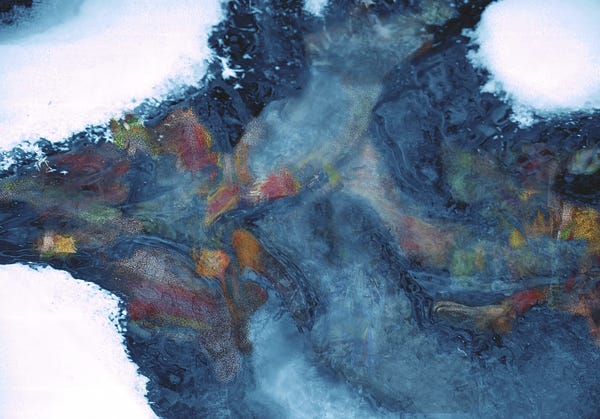
The Divine Spirit in Blue Ice
Signed originals - Open edition (unsigned)
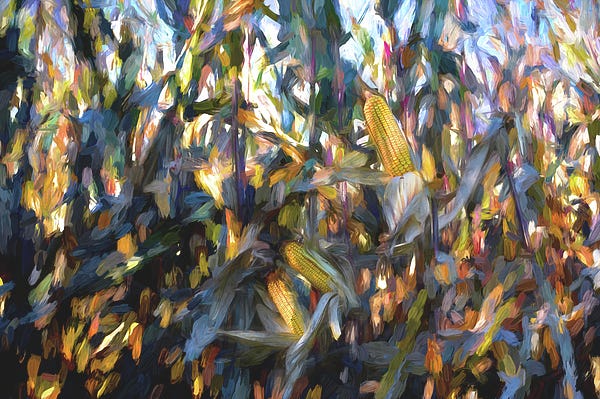
Corn Riot
Signed Originals - Unsigned Open Edition Prints
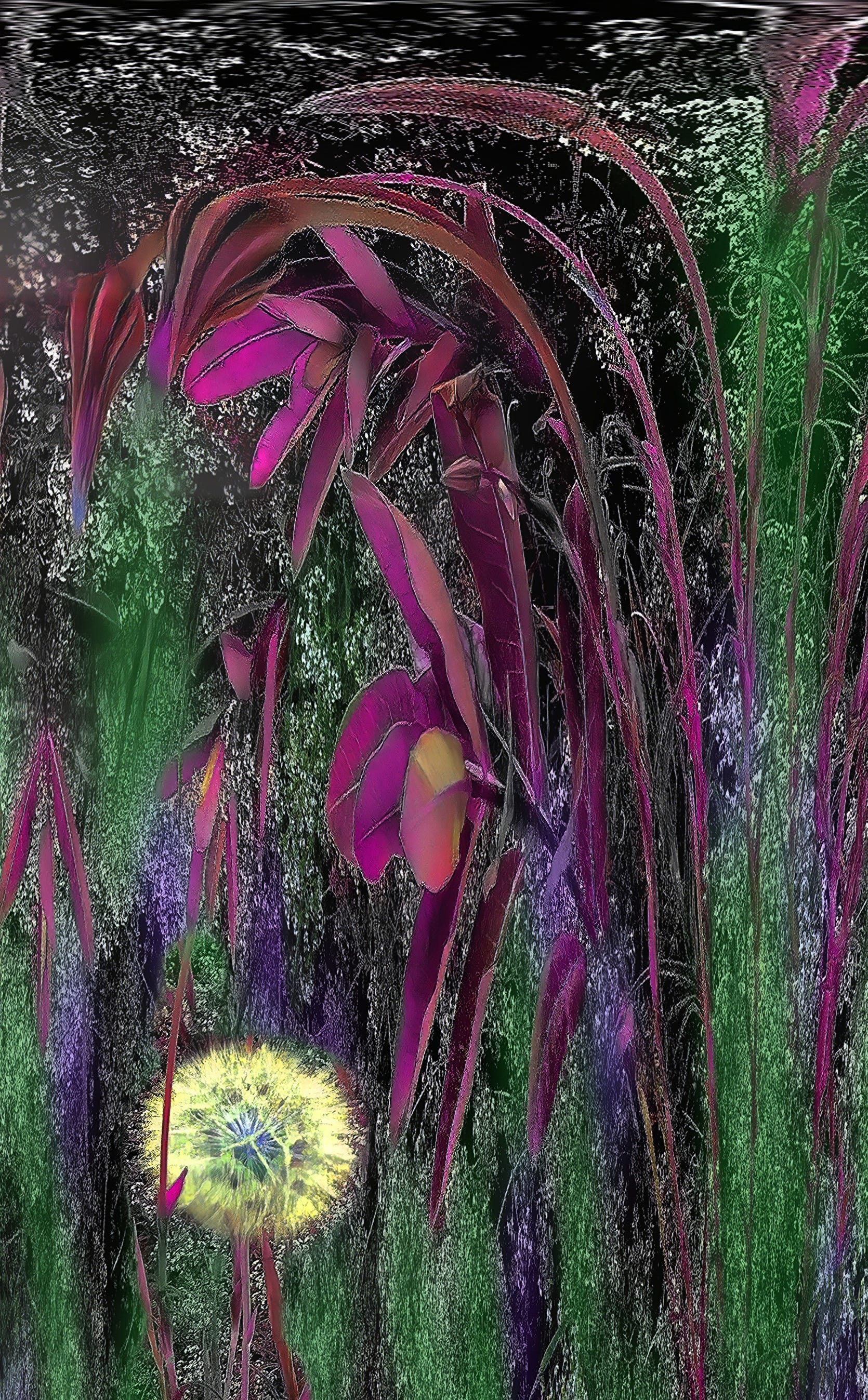
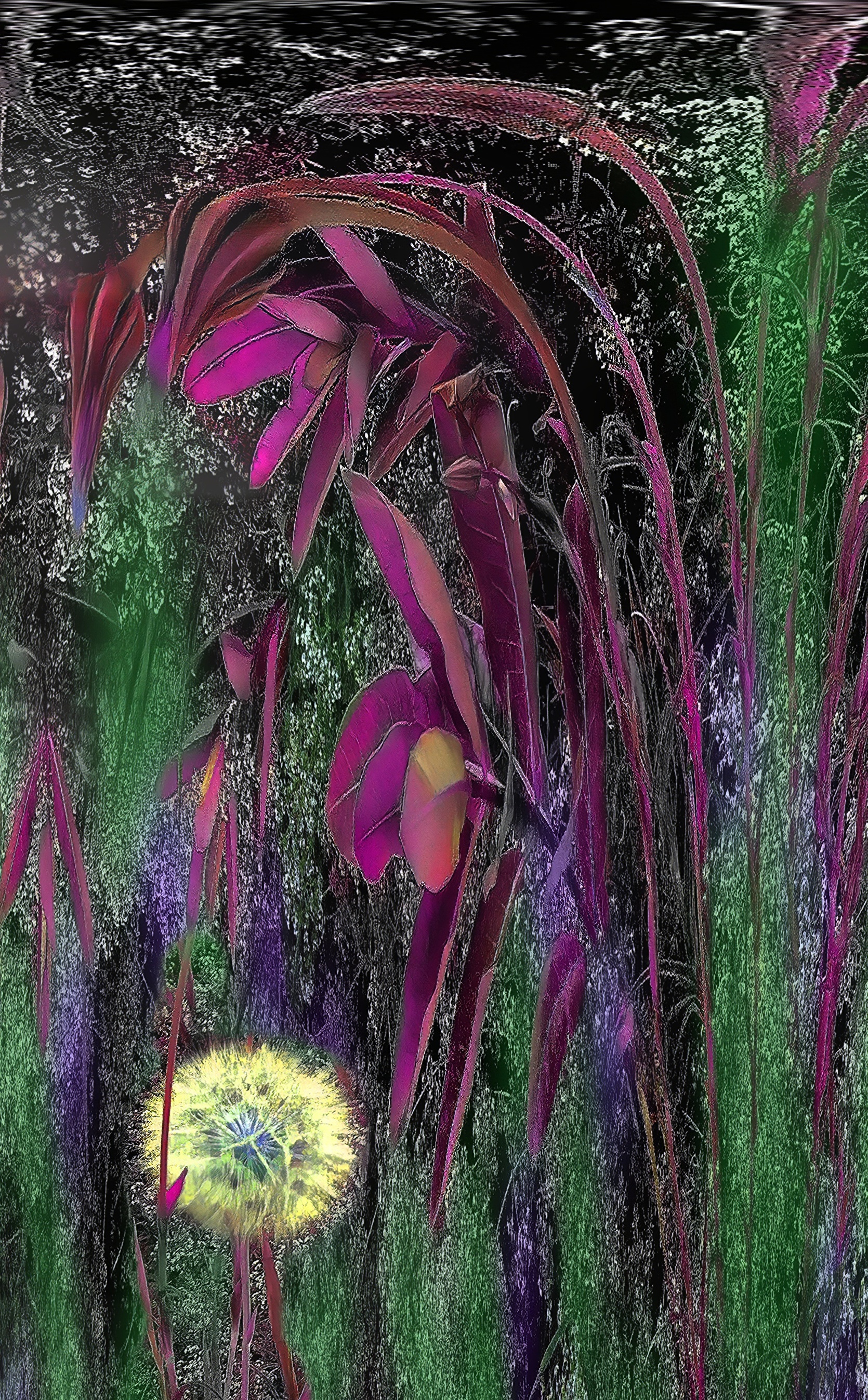
Signed Originals Open edition prints

Firelight and Moon on the Sachem
Signed Originals - Unsigned Open Edition Prints
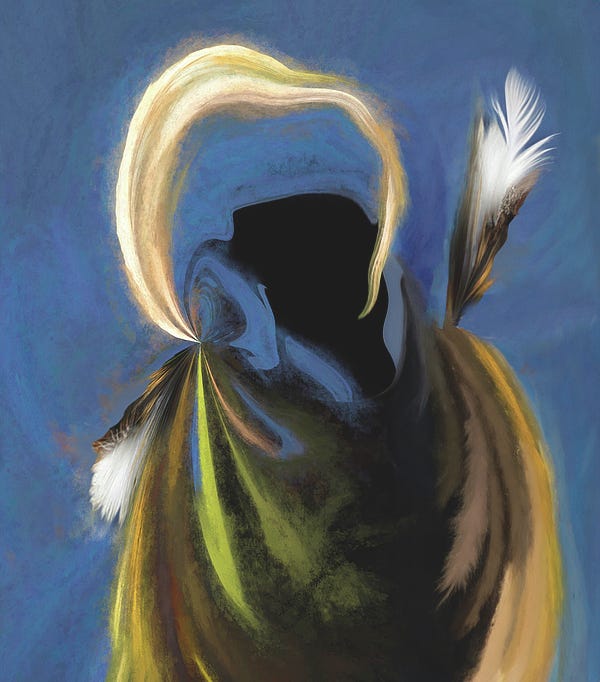
Winter Warrior
Signed Originals - Open edition Prints
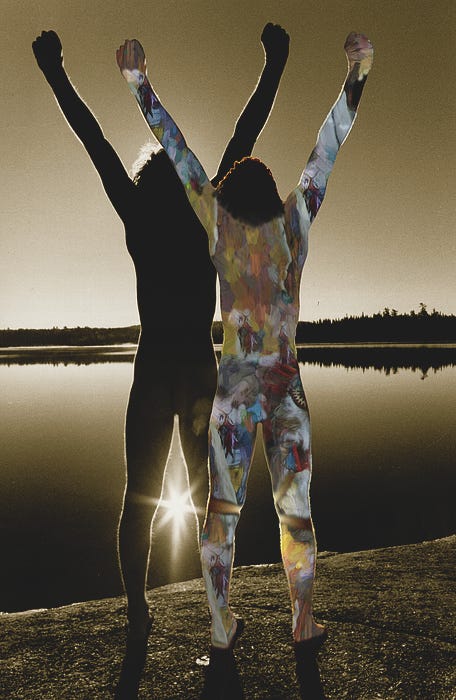
Summoning Color to the Dawn
Signed Originals - Unsigned Open Edition Prints
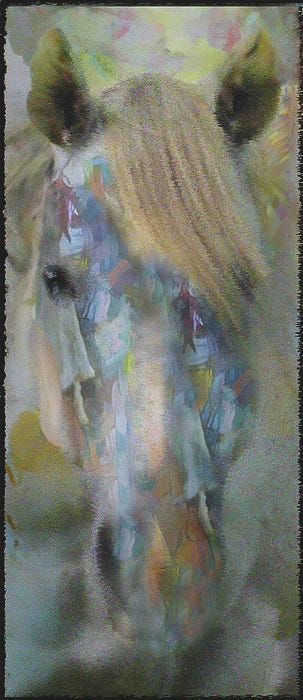
Blond Spirit
Signed Originals - Unsigned Open Edition Prints
About Wayne
Author, podcaster, artist, activist, social entrepreneur and recovering politician. A three-term State Senator, 1994 Democratic nominee for Governor. His art (WayneDKing.com) is exhibited nationally in galleries and he has published five books of his images, most recently, “New Hampshire - a Love Story”. His novel “Sacred Trust” a vicarious, high voltage adventure to stop a private powerline as well as the photographic books are available at most local bookstores or on Amazon. He lives on the “Narrows” in Bath, NH at the confluence of the Connecticut and Ammonoosuc Rivers and proudly flies the American, Iroquois and Abenaki Flags. His publishing website is: Anamaki.com.
From the Gallery
We do not have a paywall at the Anamaki Chronicles substack. In the spirit of native people we welcome what you can share with us and we offer what we have that you may find enriches your experience. Art, Columns, and Podcasts are produced at Anamaki Chronicles’ Winter Warrior Studios in Bath, NH. It is free to join the mailing list and to subscribe to our YouTube channel. Your donations and purchases of art and merchandise help us to cover the costs of production, and we hope to avoid advertising that we feel detracts from our mission. We invite you to join with us to support the creation of art, podcasts, and writing that serve to bring us together through truth and reconciliation. Anamaki Chronicles Substack
https://fineartamerica.com/featured/milan-paper-birch-monochrome-wayne-king.html
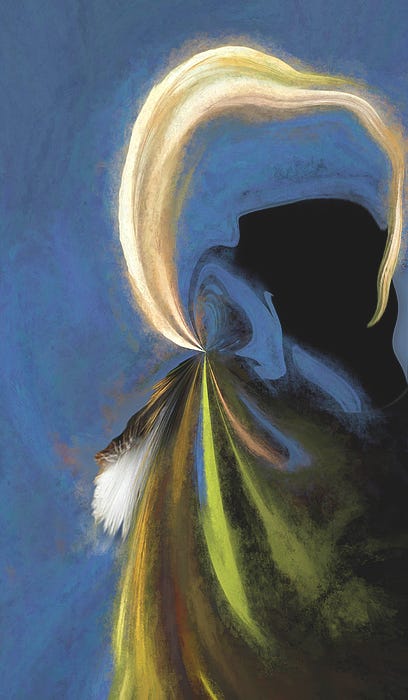
Approaching the Warrior
Signed Originals — Unsigned open-edition prints